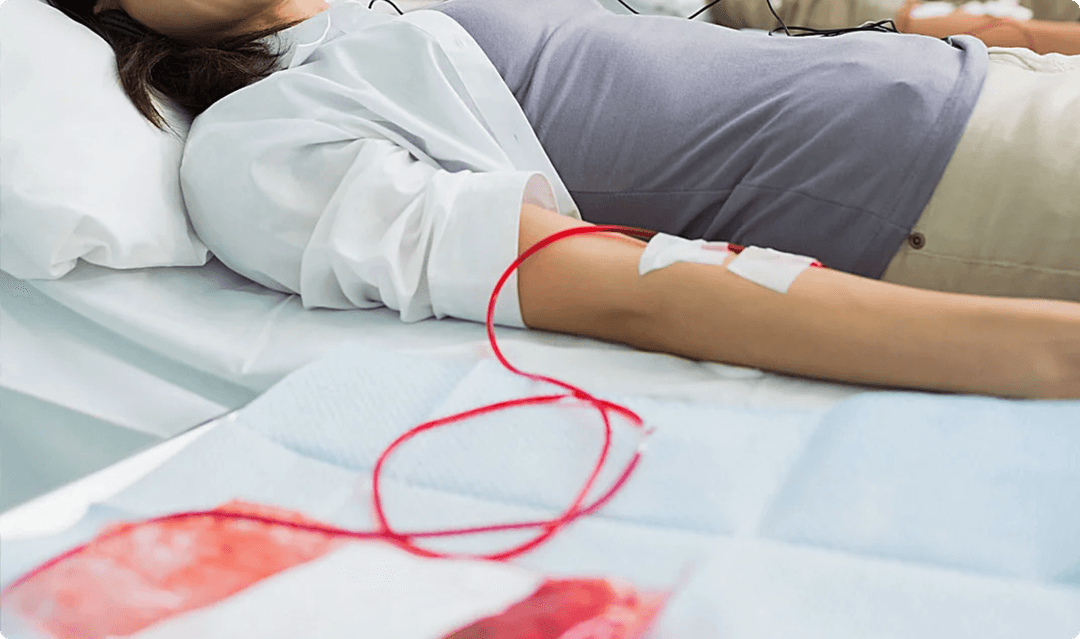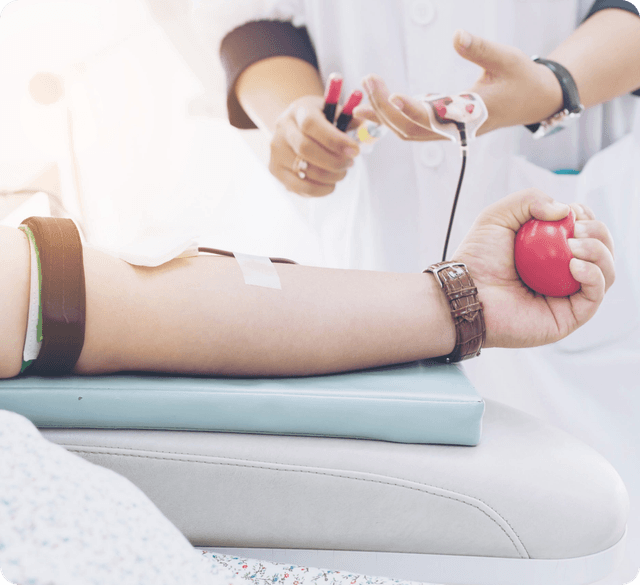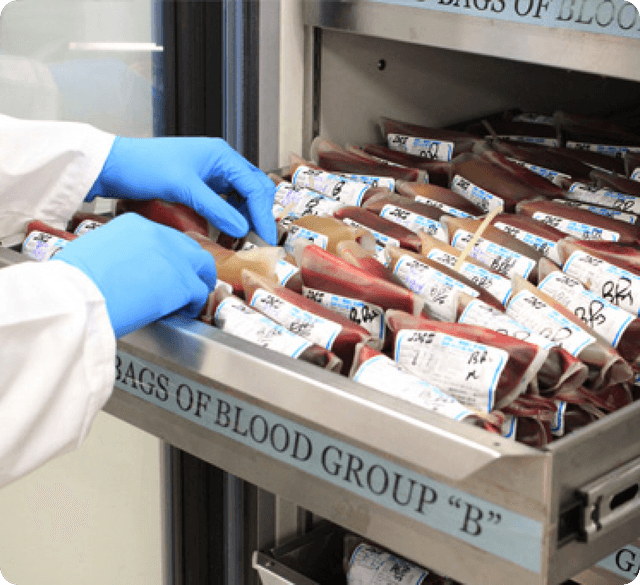
Blood is made up of four main components. Red blood cells, platelets, plasma and white blood cells. Each whole blood donation has the potential to save up to three lives.

Blood
Donations
Lives
Saved
Services
Completed
To make blood donation more accessible, organized, and safe, ensuring that no life is lost due to a shortage of blood.
Create a global, hyper-localized platform that connects blood donors and recipients efficiently while promoting a culture of voluntary blood donations.
Safety, transparency, convenience, and community service.


Prevent Hemochromatosis

Lower risk of Cancer

Reduce the chances of stroke

Improve heart and liver health

Increase blood cell production

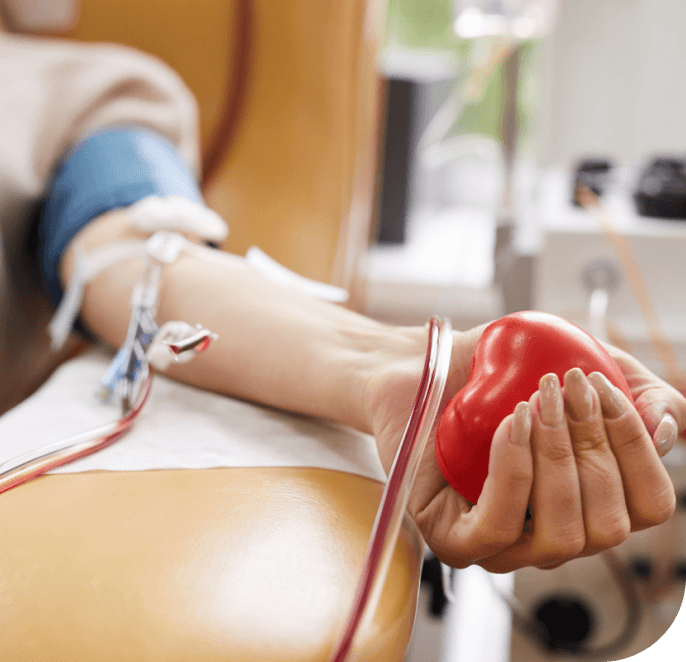
Blood donation saves lives, and each donation can help up to three individuals in need. There’s a growing need for regular blood donors as emergencies and medical treatments require a steady supply.

Discuss the impact of voluntary donations on health and society, including reducing fatalities due to shortages in critical emergencies. Highlight the current gap in supply and demand, emphasizing the life-saving potential of the app.

Voluntary non-remunerated blood donations are the safest. Address how donations from low-risk populations help ensure that transfusions are free of transfusion-transmissible infections (TTIs).

Real-time location-based donor-recipient matching

Integration with government platforms like e-Rakt Kash

Easy-to-use mobile interface for donors, recipients, and hospitals

Transparency and verification processes for donor safety and trust
Rakt Sanjeevani is a technology-driven platform dedicated to bridging the gap in blood donation. Our mission is to create a seamless connection between voluntary blood donors, recipients, hospitals, and blood banks. By leveraging a user-friendly mobile app and web interface, we aim to make blood donation accessible, transparent, and efficient. Our commitment is to support healthcare systems in India and globally, ensuring that life-saving blood reaches those in need, when they need it.


Explain the difficulties people face in finding blood donors, including poor connectivity between donors and recipients, and lack of real-time data on availability.
Address the high percentage of replacement donations and the associated risks of TTIs.
Discuss the uneven distribution of blood banks and the challenges rural areas face in accessing timely blood supplies.

Walk users through the donation process, from registering in the app, managing their profile, receiving notifications for nearby donation opportunities, and scheduling appointments
Explain how individuals and hospitals can create blood requests, find nearby donors, communicate directly through the app, and coordinate the donation


Discuss how hospitals can use the web-based interface to manage blood requests, schedule donations, and manage inventory
Emphasize how technology enables more efficient blood donations through real-time updates, geolocation services, and seamless communication.
Explain how donor data, donation history, and feedback loops ensure trust and safety for all stakeholders.
Showcase how Rakt Sanjeevani integrates with initiatives like e-Rakt Kash and Ayushman Bharat for a more organized and connected healthcare ecosystem.